
Residential Projects That Actually Get Completed Correctly
Home Remodeling Contractor in Tampa, FL for properties requiring comprehensive renovation under licensed general contractor oversight
Step Up Home Improvements operates as a Florida Certified General Contractor (CGC1537447) handling residential remodeling projects throughout Tampa and surrounding Tampa Bay communities. Homeowners typically contact a licensed general contractor when a project requires coordination across multiple trades, permit management, and a single point of accountability from demolition through final inspection. The difference becomes clear when plumbing rough-in, electrical panel upgrades, structural modifications, and finish work must all align on a timeline rather than be managed separately.
Home remodeling under general contractor supervision means one entity manages subcontractor scheduling, material procurement, inspection scheduling, and quality control across every phase of construction. Projects often involve kitchen reconstruction, bathroom renovation, flooring installation, wall removal for layout changes, and electrical or plumbing system updates that require engineering review and municipal approval. Tampa's permitting requirements vary based on scope of work, and projects involving structural changes, electrical panel upgrades, or plumbing reroutes require permit submission and inspection completion before occupancy.
Schedule a project consultation to review specific renovation requirements and permit considerations for your Tampa property.
What Licensed General Contractor Oversight Actually Provides
General contractor licensing in Florida requires passage of a state examination covering construction law, business management, project administration, and trade-specific technical knowledge. License CGC1537447 allows Step Up Home Improvements to pull permits, manage subcontractors across all trades, and maintain liability coverage for the entire project rather than requiring homeowners to coordinate separate agreements with individual plumbers, electricians, tile installers, and carpenters. The general contractor becomes responsible for code compliance, inspection passage, and correction of any deficiencies identified during municipal review.
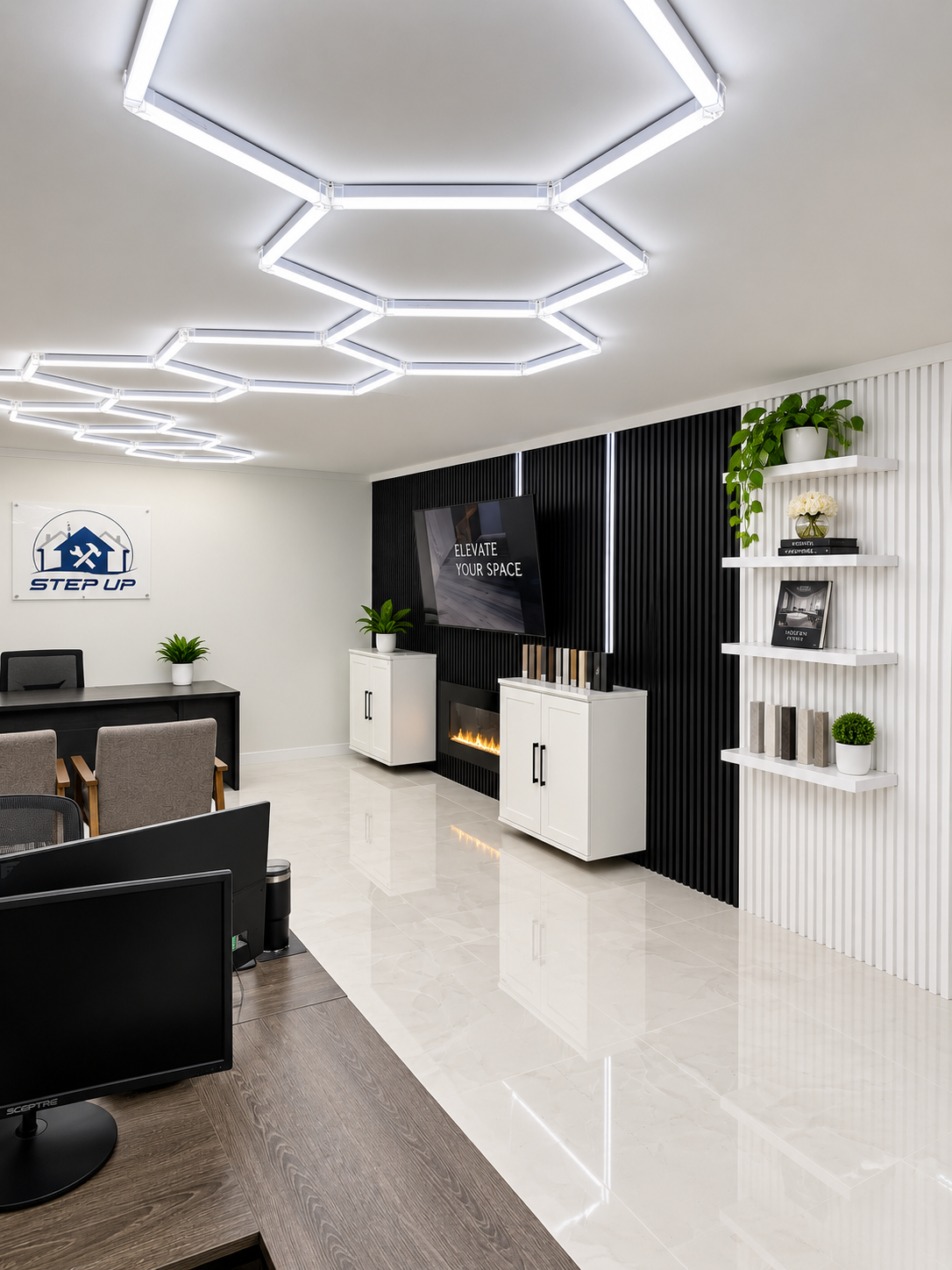
Homeowners notice the difference when change orders are managed through a single contract, when material delays are communicated proactively with schedule adjustments, and when final walkthrough reveals completed punch-list items rather than a list of callbacks across multiple vendors. Projects completed under GC supervision include warranty documentation, final inspection approval, and as-built records showing what was modified behind walls and under floors. The Tampa showroom location allows material selection for cabinetry, countertops, flooring, tile, and fixtures before construction begins, reducing delays caused by back-ordered items or unavailable finishes.
Remodeling projects in Tampa frequently involve layout modifications that require structural engineering review, particularly when removing load-bearing walls in older homes built before modern open-concept standards became common. Electrical panel upgrades are often necessary when adding kitchen islands with multiple appliances, converting tubs to walk-in showers with body sprays and steam generators, or upgrading to LED recessed lighting throughout a home. Projects requiring engineering stamps, truss modification, or foundation work involve additional review time during the permit process.
Questions Homeowners Ask Before Starting Renovation Projects
Homeowners considering significant renovation work often want clarity on costs, timelines, permit requirements, and how contractor oversight affects the project outcome.
How much does a home remodel cost in Tampa?
Project costs vary significantly based on square footage, structural changes, fixture quality, and whether engineering is required, with kitchen remodels ranging from functional updates to complete custom reconstruction and whole-home renovations scaling based on the number of rooms and systems being modified.
Do I need permits for a home remodel in Tampa?
Any work involving structural changes, electrical panel modifications, plumbing reroutes, or HVAC alterations requires permit submission to the City of Tampa or Hillsborough County depending on property location, and permit review timelines affect overall project scheduling.
How long does a whole-home renovation take?
Timeline depends on permit approval duration, material lead times for custom cabinetry or specialty tile, and inspection scheduling, with most comprehensive renovations requiring several months from contract signing through final certificate of occupancy.
Can Step Up handle design, permits and construction?
The general contractor license allows Step Up to manage the entire process including material selection through the Tampa showroom, permit application and revision responses, subcontractor coordination, and inspection scheduling through project completion.
Does Step Up manage subcontractors and inspections?
General contractor oversight includes hiring qualified trade contractors, verifying their insurance and licensing, scheduling work in proper sequence, and coordinating required inspections for rough-in, mechanical, and final approval stages.
Step Up Home Improvements maintains a Tampa design center where homeowners review cabinetry door styles, countertop samples, flooring options, tile selections, and fixture finishes before construction begins. Arrange a showroom visit to review material options and discuss specific project requirements for your South Tampa, Westchase, Carrollwood, Lutz, or Odessa property.