Buildings Designed for Decades of Use
New Construction & Ground-Up Building in Tampa Bay for properties requiring custom residential or commercial structures
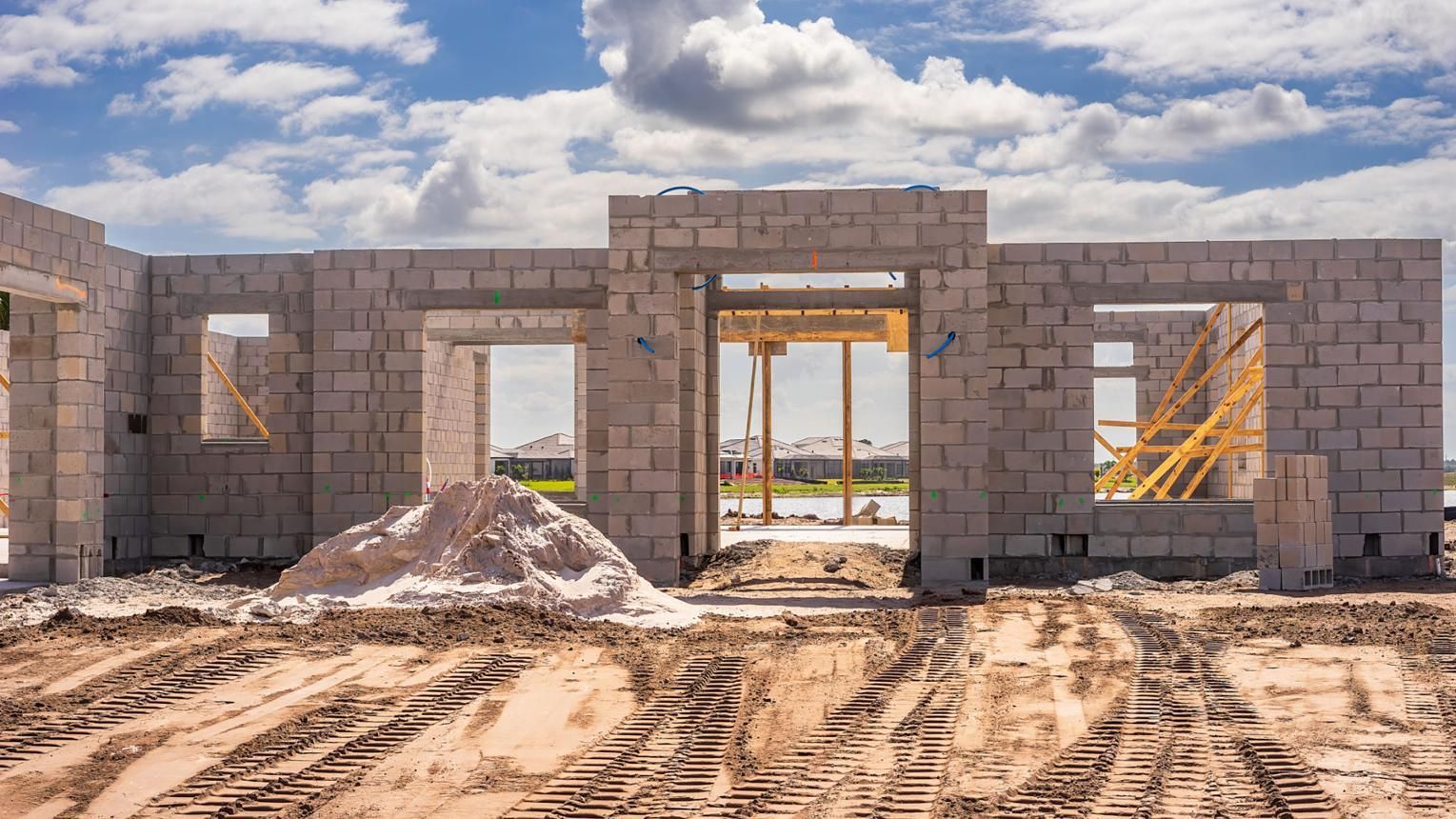
Step Up Home Improvements, LLC handles new construction and ground-up building projects that start with bare land and finish with move-in-ready structures. From structural framing to final interior finishes, the work covers every phase of construction for residential and commercial properties. Homeowners planning custom builds and businesses requiring dedicated facilities rely on this service when existing structures cannot accommodate their spatial or functional requirements.
Ground-up construction involves site preparation, foundation installation, structural framing, mechanical system integration, and complete interior and exterior finishing. The process requires coordinating permits, inspections, and material deliveries while maintaining structural integrity and building code compliance at every phase. Tampa Bay's coastal climate demands specific attention to wind load requirements, moisture management in framing, and concrete specifications that resist saltwater exposure.
Schedule a property evaluation to determine site-specific requirements and construction feasibility.
What Happens During Full Construction Projects
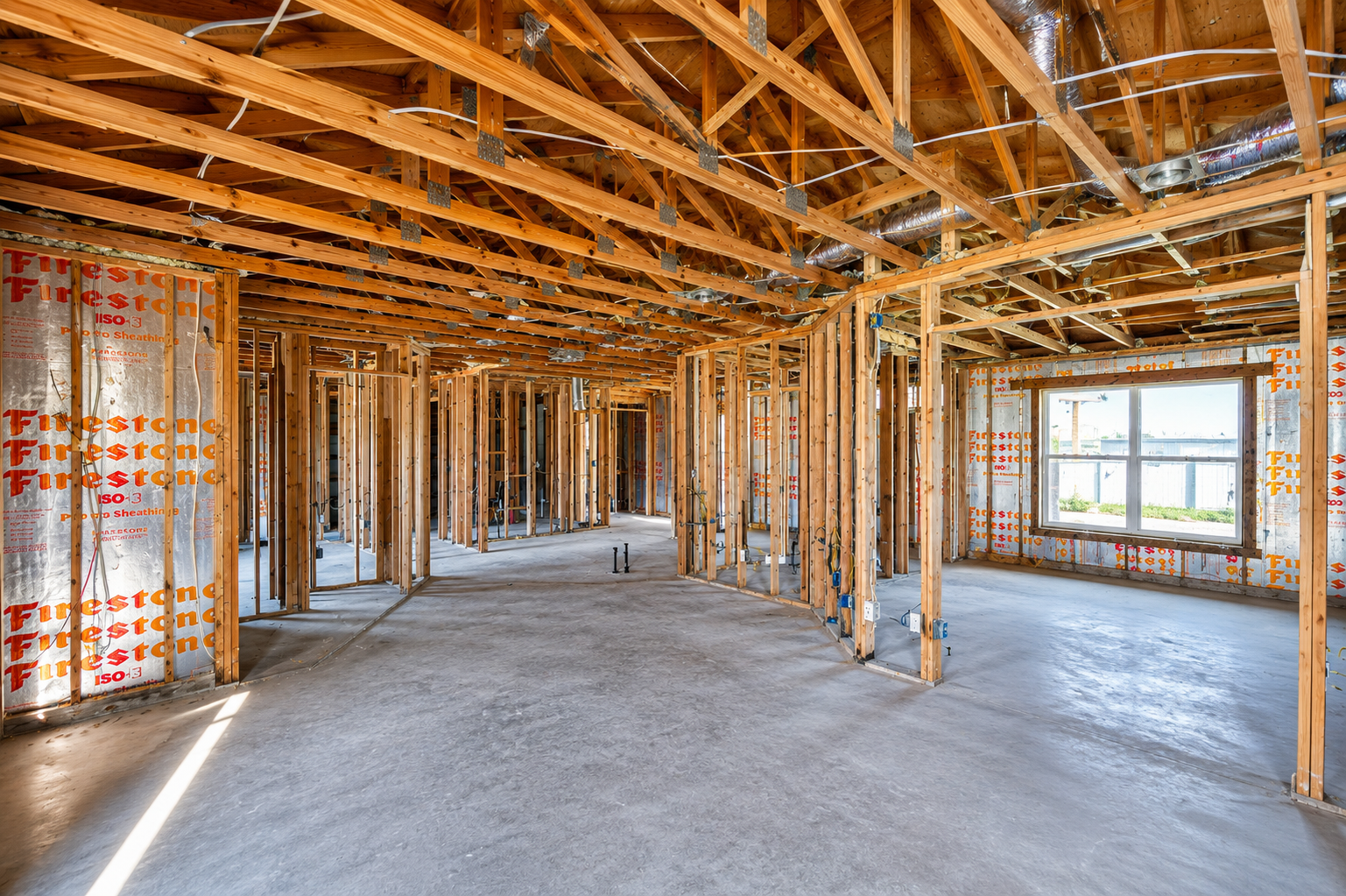
Project management coordinates every construction phase from initial layout through final inspections. The structural framing establishes wall positions, roof pitch, and load-bearing configurations that define room dimensions and ceiling heights. Commercial build-outs require different electrical panel capacities, HVAC zoning, and egress planning compared to residential additions, which prioritize living space flow and natural light placement.
Once construction completes, you notice precisely positioned walls that match architectural plans, finished surfaces free of framing inconsistencies, and mechanical systems that operate without noise or airflow problems. Doors close squarely in their frames, windows seal against weather intrusion, and floor surfaces remain level across large spans. Electrical outlets appear where furniture layouts require them, and plumbing fixtures deliver consistent water pressure without drainage issues.
Permit coordination manages code compliance documentation and schedules required inspections at foundation, framing, mechanical, and final stages. Residential additions integrate with existing roof lines and foundation elevations, while commercial projects often involve separate utility connections and parking area development. The timeline extends from several months for straightforward residential additions to over a year for complex custom homes with specialized finishes.
Common Questions About This Service
Property owners preparing for new construction often ask about timelines, permitting processes, and what happens at different construction phases.
What happens during the structural framing phase?
Framing establishes wall positions, ceiling heights, and roof configurations according to engineered plans, with inspections verifying proper lumber dimensions, fastener spacing, and load-bearing support before any interior or exterior finishing begins.
How does Tampa Bay's climate affect construction planning?
Coastal wind loads require engineered hurricane strapping and reinforced roof-to-wall connections, while high humidity demands moisture barriers in wall assemblies and proper attic ventilation to prevent mold growth in framing cavities.
What distinguishes residential additions from ground-up construction?
Additions require matching existing foundation depths and roof pitches while tying new framing into older structures, whereas ground-up projects start with cleared land and allow complete control over building orientation, utility placement, and structural design.
When should commercial build-outs include separate electrical services?
Projects exceeding 200-amp demand, operating heavy equipment, or requiring uninterrupted power for refrigeration or medical equipment typically need dedicated transformers and metered services rather than sharing existing building panels.
What does permit coordination actually involve?
The process includes submitting engineered drawings to local building departments, scheduling foundation inspections before concrete pours, arranging framing inspections before drywall installation, and coordinating final inspections that verify mechanical, electrical, and plumbing systems meet code before occupancy approval.
Step Up Home Improvements, LLC manages construction projects from initial site evaluation through final inspection approval. Request a detailed consultation to review your specific building requirements and site conditions.
Request a New Construction Consultation
Thank you for your interest in our new construction services.
We will be in touch shortly.
Please try again later.